
Obstetrics & Gynaecology
Reproductive Endocrinology & Infertility
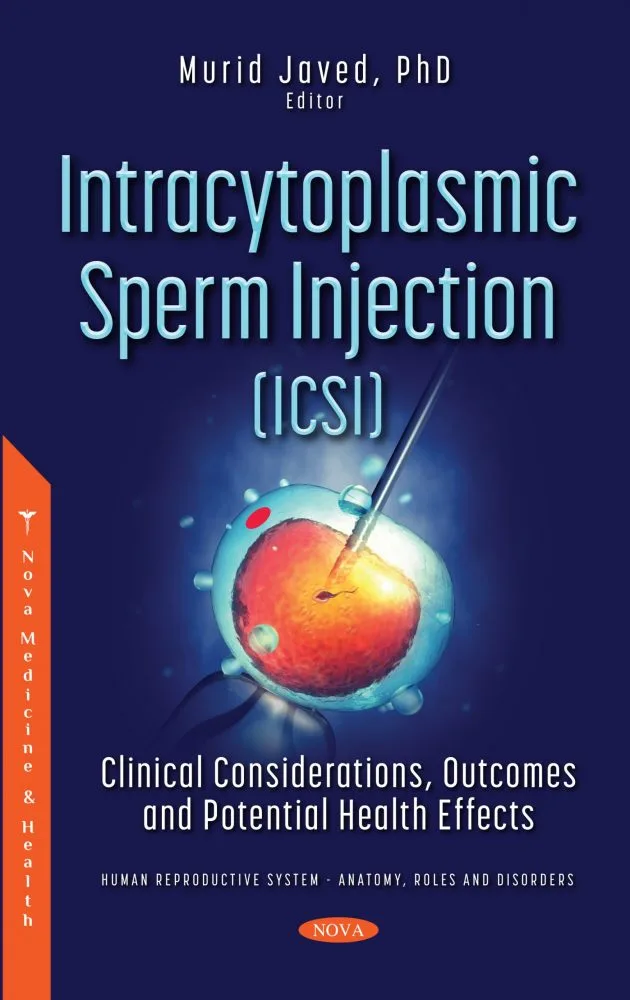
This book provides comprehensive information on Intracytoplasmic Sperm Injection (ICSI), its clinical considerations, outcomes and potential health effects. Male and female infertility is increasing all over the world. The basic techniques of assisted reproduction like ovulation control and intrauterine insemination are ineffective if the sperm quality or number is inadequate. The advanced fertilization techniques are in-vitro fertilization (IVF) and ICSI. In 15% cases of infertility, IVF results in total failed fertilization; therefore, ICSI must be used. Some clinics exclusively use ICSI for all infertility patients due to its reliability of fertilization outcome or to avoid total fertilization failure.
ICSI was first used in humans in 1992. Since then, tremendous advances have been made in assisted reproductive technology. ICSI has enabled even those men who have rare sperm in their testes to father a biological child. If no sperm are observed in the ejaculate, in almost all cases, they can be recovered from the testicles. Such retrieved sperm can only be used by ICSI. Therefore, its understanding is essential not only for medical staff but also for patients suffering from infertility.
This book is highly recommended for patients suffering from infertility or currently undergoing infertility treatment. It explains the factors affecting ICSI success rate. In ICSI, the embryologist picks a sperm for injection to fertilize oocytes whereas in intrauterine insemination and IVF, one sperm penetrates naturally. This manual selection of sperm has raised concerns especially in those patients suffering from severe male factor infertility. The nature of sperm defects varies and could be congenital, acquired or genetic. Children born through ICSI are, therefore, considered at higher risk of carrying the defect. Many investigations have been carried out to compare incidence of the defects between children conceived naturally and conceived through ICSI. Additional technologies have been developed to ensure the birth of a normal child. These include pre-implantation genetic testing and non-invasive prenatal testing. This book addresses these concerns and explains the health effects on children born through ICSI.
You may also like
Selected from this book’s categories and your recent browsing activity.
Obstetrics & Gynaecology
Obstetrics & Gynaecology
Reproductive Endocrinology & Infertility
Reproductive Endocrinology & Infertility
Reproductive Endocrinology & Infertility
Reproductive Endocrinology & Infertility
Reproductive Endocrinology & Infertility
Reproductive Endocrinology & Infertility
Reproductive Endocrinology & Infertility
Obstetrics & Gynaecology
Reproductive Endocrinology & Infertility
Reproductive Endocrinology & Infertility
Embryology
Reproductive Endocrinology & Infertility
We prioritise speed so your books reach you in record time, wherever you are in Bangladesh.
Pay your way through trusted manual payment methods, confirmed before we dispatch any parcel.
Every book in our catalogue is carefully selected to meet the standards medical students and doctors expect.
Received a damaged or incorrect item? Let us know within 7 days and we will replace it for you.